
News from TravelPulse Canada – link to story
JIM BYERS MAY 14, 2020
A new era in Canadian aviation begins today.
Air Canada’s CleanCare+ program starts on May 15 as a response to the COVID-19 pandemic. And AC officials hope it builds confidence in the travelling public.
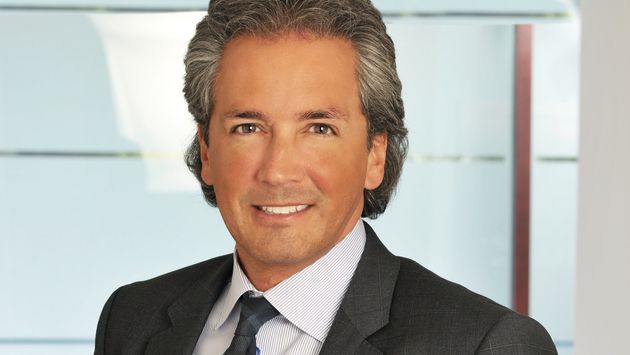
TravelPulse Canada had a one-on-one chat with Air Canada VP Safety Sam Elfassy on Thursday, chatting about Air Canada’s leadership on the issue and the future of travel given the global coronavirus crisis.
The new program is designed to reduce the risk of exposure to COVID-19 through such measures as mandatory pre-flight customer temperature checks. required health questionnaires, seat assignment policies to allow for more personal space in Economy Class on all flights until June 30, 2020, and by providing all customers with care kits for hand cleaning and hygiene.
“Until we have a vaccine there are only a certain number of things we can actually do to reduce the rate of transmission,” Elfassy said. “All of us recognize that in the absence of a single measure which can achieve a high level of risk reduction, the alternative is that you have to use a combination of different approaches.
“Unfortunately it’s a combination of sometimes intrusive and sometimes burdensome measures that can create a travel experience that’s far, far removed from normal operations.”
All Air Canada PAX will receive masks, gloves, disinfectant wipes and bottled water on flights starting May 15. Meals will only be pre-packaged affairs. Workers will wipe down all surfaces with disinfectant wipes and electrostatic sprayers will be deployed on planes to ensure the ultimate in cleanliness.
Elfassy said Air Canada takes part in a number of high-profile, international forums, including the International Air Transport Association’s medical advisory group.
“We have a tremendous amount of expertise around the table.”
Elfassy said the moves Air Canada is taking are essential to preserving the health and safety of customers, employees and the communities AC serves. But they’re also expensive, and not sustainable for a prolonged period of time.
“We’re acting on this quickly and aggressively in many ways. We were the first ones (to implement (these types of programs) on many fronts.”
Elfassy said he can’t reveal the costs of the plan, “but you can assume that it’s absolutely significant. Still, that’s the cost of doing business in a public health emergency.”
Folks who’ve been following the news have probably heard the term “herd immunity.” Elfassy said he’s using the phrase “herd confidence.”
“Just like travellers were loathe to step onto an aircraft after 9-11 until they were sure that the security of that aircraft wasn’t compromised… they won’t travel unless they’re sure there’s no virus on board as a general premise.
“We will do everything we can, despite the financial carnage we’re undertaking. I speak to my friends. They say, ‘This is great, Sam.’ I know when I get on board, you have done what you committed to do.”
Elfassy said there’s a great deal of published data about in-flight transmission that shows that, in fact, there is a low rate of in-flight transmission of COVID-19.
“The reasons… are not fully known but they could encompass a combination of lack of face to face contact, you have the physical barriers provided by seats, you have the characteristic of cabin flow, and the fact you now have individuals who are all wearing face coverings. One could argue whether it’s necessary to have that physical distancing on board an aircraft, but we’re drawing on our current understanding of how COVID-19 is transmitted and the risks” involved.
“As approved risk mitigation methods become available, and our ability to understand this improves, less burdensome and more effective measures” may be brought in, he said.